
Most visitors drive through Valley of Fire State Park focused on the red sandstone formations and photo ops, and completely miss the animals watching them from the rocks. But Valley of Fire State Park wildlife is one of the best reasons to slow down and pay attention. The park supports dozens of species adapted to the Mojave Desert, from desert bighorn sheep scaling impossible cliff faces to sidewinders tucked beneath ledges during the midday heat. Knowing where and when to look changes the entire experience.
At Another Side Tours, we take guests through southern Nevada’s most striking landscapes, including Valley of Fire. Our guides know which trails, times of day, and seasons give you the best chance of spotting wildlife, and how to do it without putting yourself or the animals at risk. Years of leading tours through this terrain have taught us what most visitors learn too late: the desert is far more alive than it appears.
This article covers five animals you’re most likely to encounter at Valley of Fire, where to find them, and how to observe them safely. Whether you’re planning a self-guided visit or joining one of our guided tours, this list will help you know exactly what to watch for.
1. Desert bighorn sheep
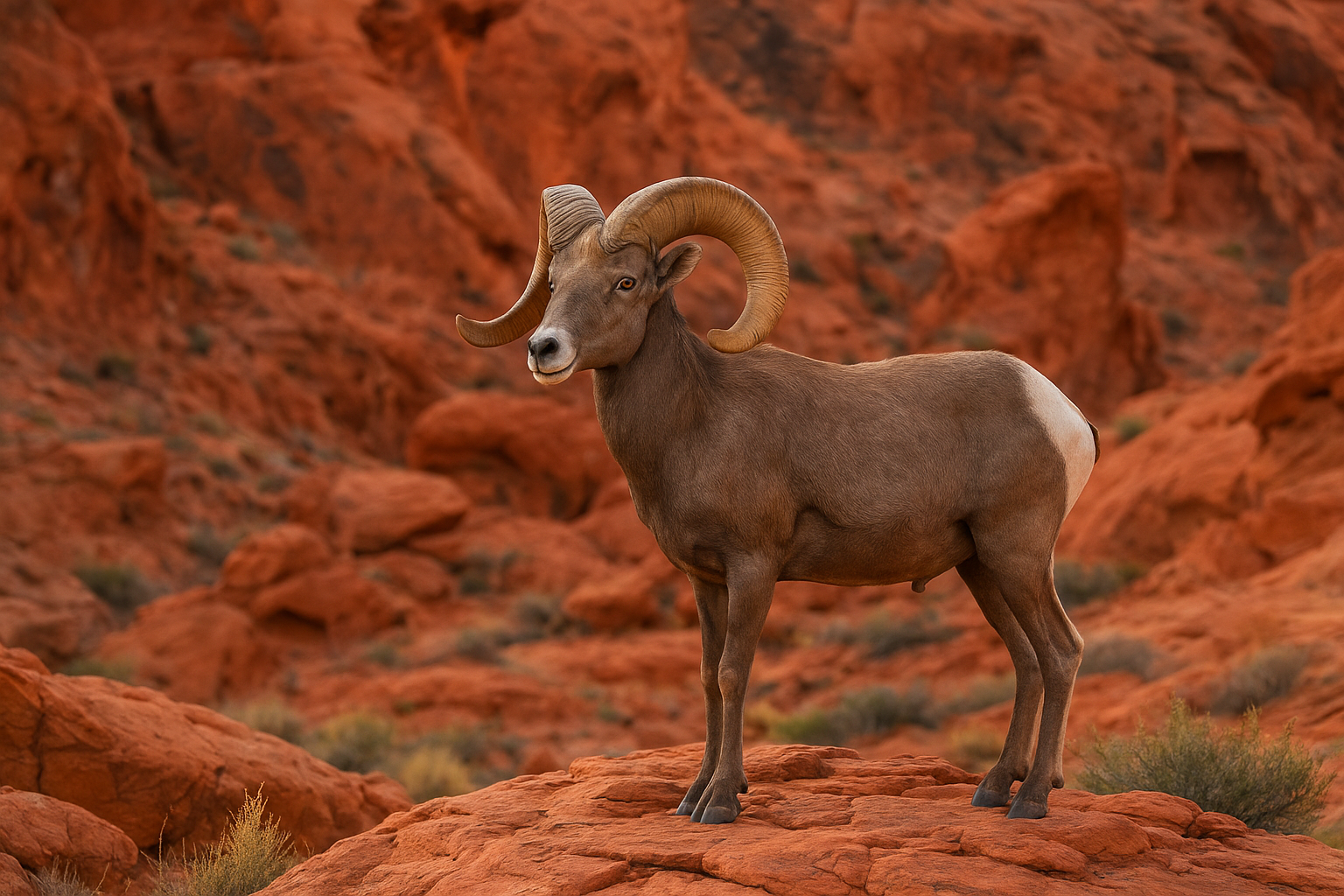
Desert bighorn sheep (Ovis canadensis nelsoni) are the most iconic of all Valley of Fire State Park wildlife, and for good reason. These animals evolved specifically for terrain like this: steep red sandstone ridges, narrow ledges, and exposed canyon walls that most animals avoid entirely. Spotting a bighorn in the park ranks among the best wildlife moments in southern Nevada.
Quick ID and behavior to look for
Bighorn sheep are stocky, tan to gray-brown, with pale rumps and thick curved horns on rams. Ewes carry shorter, less curved horns. Both sexes move with complete confidence on rocky terrain, often pausing to scan their surroundings before continuing. Rams can weigh over 200 pounds, and their horn curls can stretch past 30 inches on mature males.
Where you might spot them in Valley of Fire
Your best chances come along Scenic Loop Drive and White Domes Road, particularly near rocky ridgelines and canyon walls. Early morning and late afternoon are peak activity windows, when temperatures drop and sheep move down to graze. The area near Mouse’s Tank Trail also sees regular bighorn activity, so slow down and scan the rocks rather than the trail surface directly ahead of your feet.
How to watch safely and avoid stressing the herd
Keep at least 100 yards between yourself and any bighorn sheep you spot. If an animal stops eating or stares directly at you, you are already too close and need to back away slowly. Stressed sheep burn critical energy reserves, especially during the intense summer heat that defines this park.
Getting close for a better photo is one of the most common mistakes visitors make, and it costs the animal far more than most people realize.
What to do if one blocks the road or trail
Stay calm and stay in your vehicle if a bighorn walks onto the road. Do not honk, rev your engine, or exit the car to get a closer look. These animals move on their own schedule, and any sudden movement or loud noise can startle the herd unnecessarily. Give them time and they will move on without incident.
2. Coyote
Coyotes are among the most adaptable of all valley of fire state park wildlife, and they appear more often than most visitors expect. Unlike bighorn sheep, which stick to rocky terrain, coyotes move across the entire park with little predictability.
Quick ID and common misconceptions
These animals are medium-sized canines with a lean frame, bushy tail, and tan-to-gray coloring with a lighter underside. People often mistake them for feral dogs, but coyotes carry their tail low while running, which is a reliable field indicator. They typically weigh between 20 and 50 pounds.
When and where coyotes show up in the park
Dawn and dusk bring the most coyote activity, though you can spot them any time of day near campgrounds and picnic areas. They follow roads and wash corridors, so scanning open ground from your vehicle gives you good odds of a sighting.
How to stay safe around coyotes
A coyote that approaches you without hesitation is a food-conditioned animal, and that behavior warrants real concern. Back away calmly, make yourself appear larger, and do not run, as running triggers a chase instinct in many predators.
A coyote that has lost its fear of people is not bold; it is a sign that someone before you made the mistake of feeding it.
How to keep coyotes wild, not food-conditioned
Never feed a coyote directly or indirectly by leaving food scraps around your campsite or picnic table. Secure all food and trash in designated containers, and pack out everything you bring in. One feeding changes an animal’s behavior permanently.
3. Desert kit fox
The desert kit fox (Vulpes macrotis) is one of the quieter pieces of valley of fire state park wildlife. These small predators are built for the Mojave, with oversized ears that regulate body heat and sharpen nocturnal hearing. Most park visitors drive the entire loop without spotting one, but knowing what to look for changes that significantly.
Quick ID and how it differs from a coyote
Kit foxes weigh between 3 and 6 pounds, which puts them far below a coyote in size. Their most recognizable feature is a pair of large triangular ears, paired with a slender frame, long tail with a black tip, and pale tan fur. If the animal looks like a miniature fox with disproportionately large ears, you are almost certainly looking at a kit fox.
Best odds for spotting one without chasing it
The hour around sunrise and the period just before dark give you the best chance. Kit foxes den in burrows near sandy washes and rocky slopes, so sitting still with binoculars pointed at low ground works better than actively walking the area. Let the animal move into your line of sight rather than pursuing it.
Stillness works in your favor more than any amount of ground covered on foot.
How to watch at night without harming wildlife
Avoid shining flashlights or headlamps directly at kit foxes. Bright white light causes immediate stress and disrupts their hunting. If you carry a flashlight, switch to red-light mode, which is far less disruptive to nocturnal desert animals.
Why kit foxes matter in the desert ecosystem
Kit foxes regulate rodent populations throughout the Mojave, which keeps vegetation and seed dispersal in balance. Their presence supports multiple layers of the food web, from the insects competing with rodents to the raptors sharing the same prey base.
4. Desert tortoise
The Mojave desert tortoise (Gopherus agassizii) represents one of the most ancient pieces of valley of fire state park wildlife, with a lineage stretching back millions of years. These reptiles spend the majority of their lives underground, which makes an above-ground sighting genuinely uncommon.
Quick ID and why sightings are rare
Desert tortoises have a high-domed shell that ranges from brown to tan, with thick, stumpy legs built for digging rather than speed. Adults typically measure 9 to 15 inches in length. They spend up to 95 percent of their lives in burrows, which explains why most park visitors never see one.
Where tortoises live and when they emerge
Sandy washes and rocky desert scrub below 3,500 feet are prime tortoise habitat. Spring mornings between March and May give you the best odds, when temperatures are mild and tortoises come out to forage on wildflowers and grasses.
A tortoise crossing open ground in spring is fueling up for months of underground dormancy, so let it move without interference.
What to do if you see a tortoise near a road
Stop your vehicle and wait. If the tortoise is moving across the road under its own power, let it finish. Never reposition a tortoise unless it faces immediate danger from oncoming traffic.
What not to do, handling and harassment rules
Never pick up a wild tortoise. Handling triggers a stress response that causes them to empty their bladder, and that stored water is critical to their survival. Desert tortoises are federally protected under the Endangered Species Act, and harassment carries serious legal penalties.
5. Mojave rattlesnake
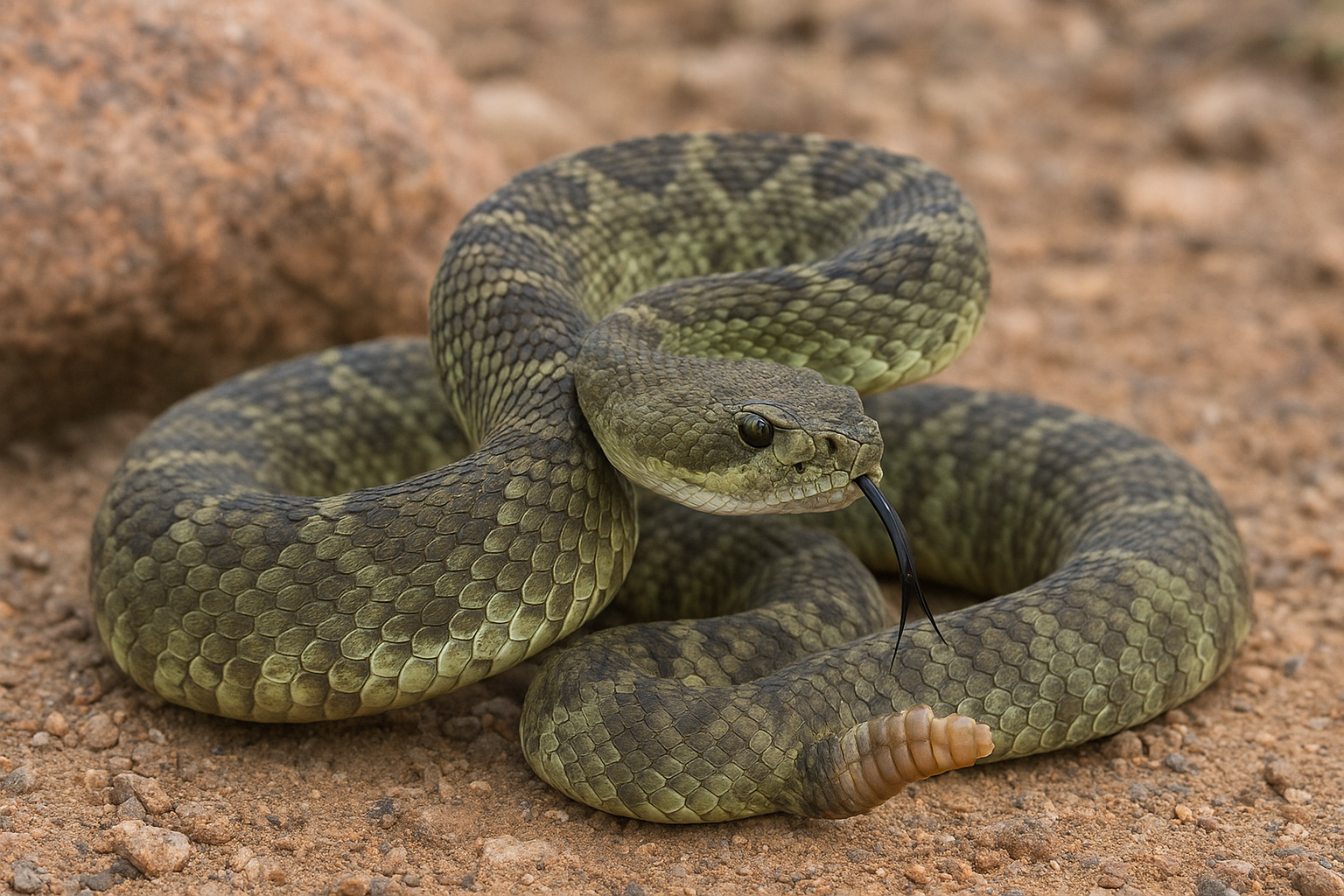
The Mojave rattlesnake (Crotalus scutulatus) is the most medically significant snake in valley of fire state park wildlife, carrying a venom that combines both neurotoxic and hemotoxic properties. Most encounters are entirely avoidable with basic awareness and a few simple habits.
Quick ID and how to avoid misidentification
Mojave rattlesnakes are heavy-bodied with a triangular head, greenish-gray to olive coloring, and a rattle at the tail. People frequently misidentify harmless species like the gopher snake, which mimics rattlesnake behavior when threatened. Look for the rattle and the broad triangular head to confirm what you are seeing before reacting.
Where rattlesnakes hide and why bites happen
These snakes favor rocky outcroppings, shaded ledges, and brush piles where they wait for prey rather than actively hunting. The majority of bites occur when someone reaches into a crevice or steps over a rock without checking first, or attempts to handle the animal directly.
Staying on marked trails and watching where you place your hands and feet eliminates most of the risk.
What to do if you see one on a trail
Stop walking immediately and give the snake at least six feet of clearance on either side. Back away calmly without sudden movements, and let the animal move off the trail on its own.
Snakebite basics and when to seek help
If a bite occurs, keep the affected limb below heart level and get to a vehicle immediately. Do not cut the wound, apply a tourniquet, or try to suck out the venom. Call 911 or go directly to the nearest emergency room, as antivenom is the only effective treatment.
Make your wildlife spotting trip easier
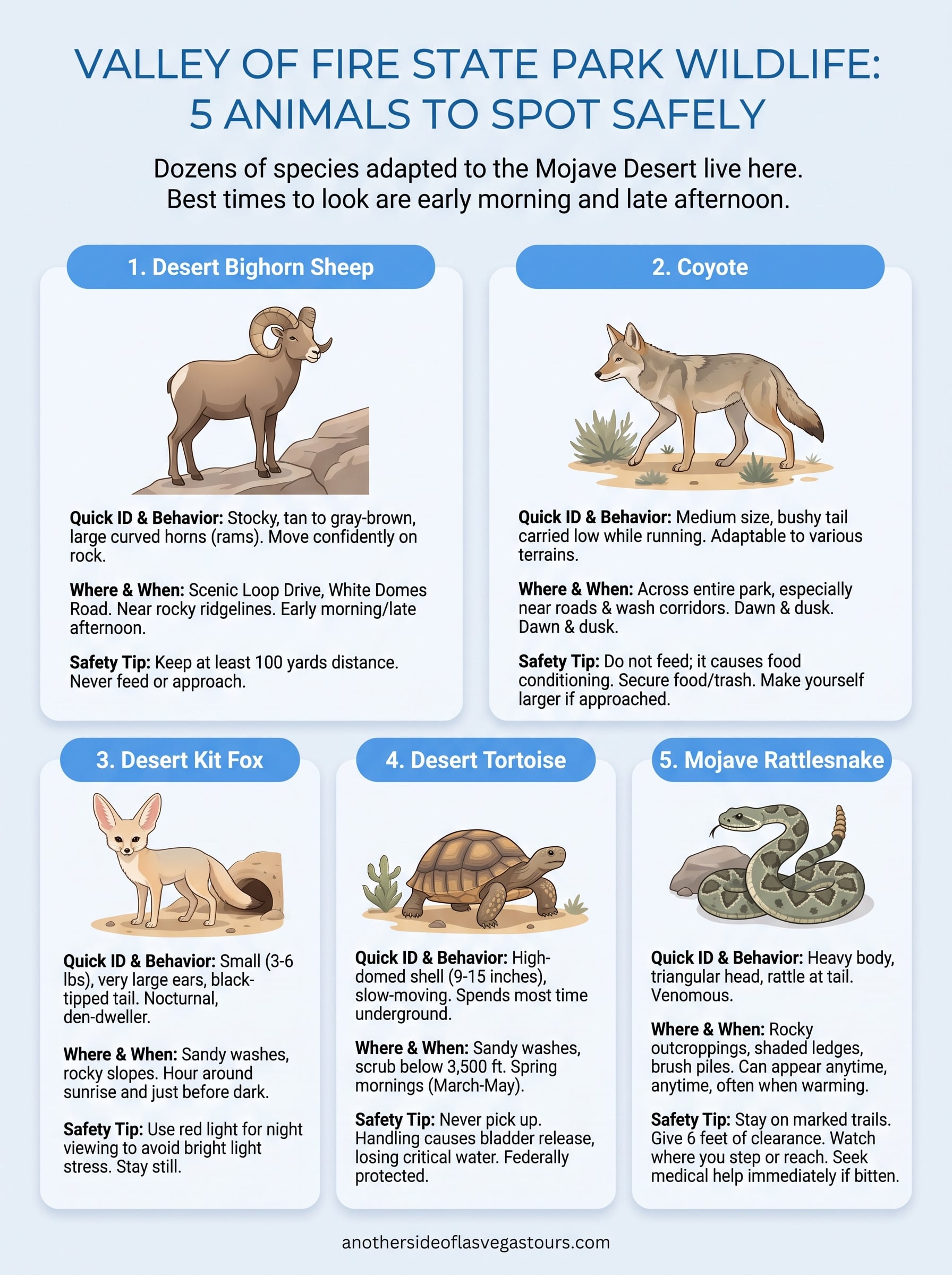
Valley of fire state park wildlife rewards patience and preparation far more than it rewards luck. Arriving at first light, moving slowly through the park, and keeping binoculars in hand gives you a real advantage over visitors who stay on schedule and rush the experience. Knowing the five animals covered in this guide means you already walk in with sharper eyes than most.
Touring with a knowledgeable guide takes that advantage further. Our guides know the terrain, the seasonal patterns, and the specific areas where animals appear most consistently, so you spend less time scanning empty ridgelines and more time watching actual wildlife. You also get the context that makes each sighting meaningful rather than just another photo to scroll past.
If you want the most out of your time in this landscape, check out our private Valley of Fire tours and let us handle the planning.