
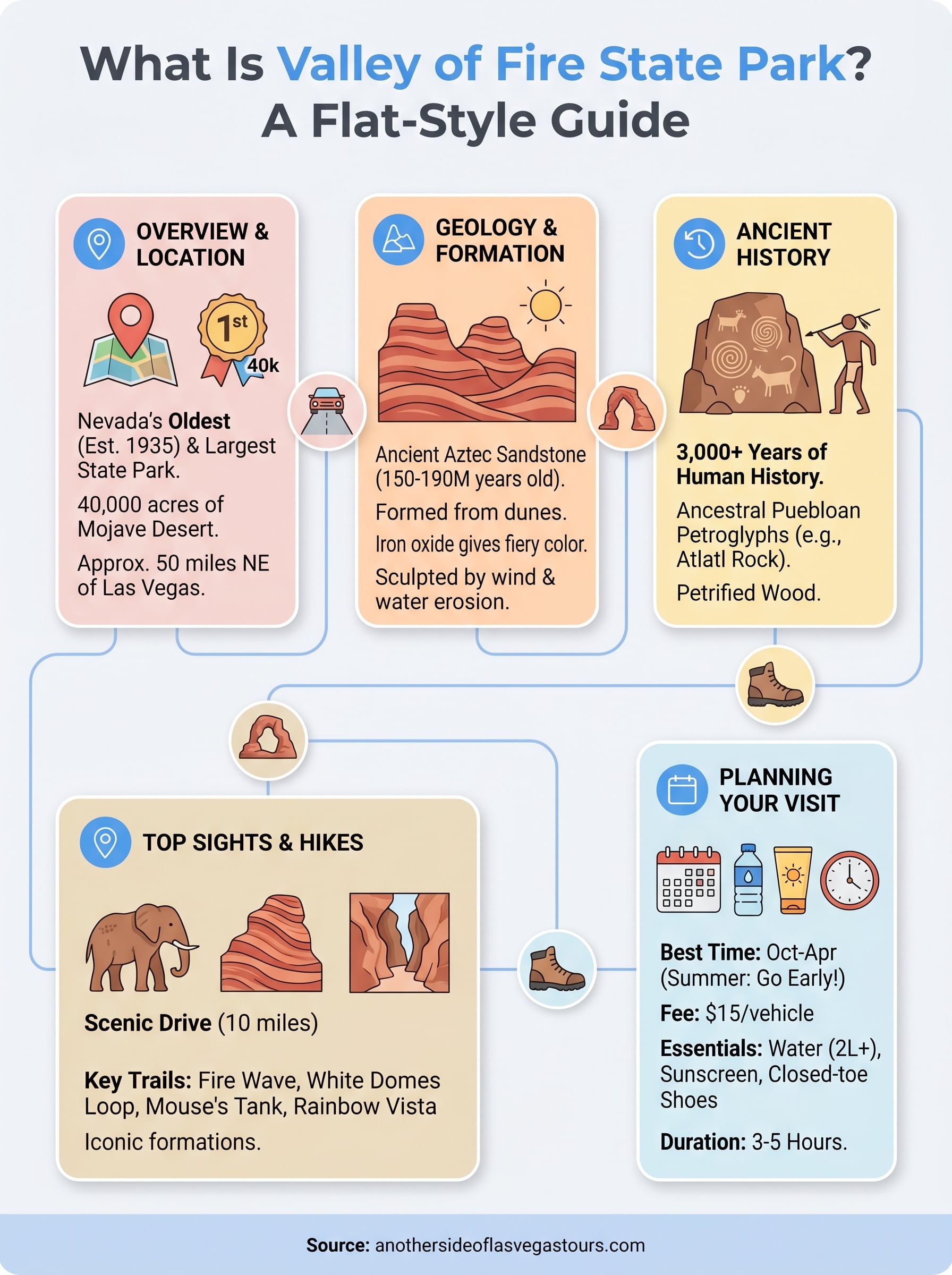
If you’ve been searching what is Valley of Fire State Park, here’s the short answer: it’s Nevada’s oldest and largest state park, a 40,000-acre stretch of red sandstone formations that look like they belong on another planet. Located about 50 miles northeast of Las Vegas, the park sits in the Mojave Desert and gets its name from the fiery red Aztec sandstone that seems to glow when the sun hits it just right.
But Valley of Fire is more than dramatic scenery. The park holds roughly 3,000 years of human history, from ancient Puebloan petroglyphs carved into rock walls to petrified wood dating back 225 million years. It’s a place where geology and history overlap in ways that are genuinely hard to find anywhere else in the Southwest.
At Another Side Tours, we take guests out to Valley of Fire regularly, it’s one of the most requested day trips from the Strip, and for good reason. Our guides know the park’s trails, timing, and hidden spots that most visitors walk right past. In this article, we’ll cover everything you need to plan your visit: the park’s geological backstory, its best hikes and landmarks, and practical tips to help you make the most of your time there.
Why Valley of Fire stands out in Nevada
When people ask what is Valley of Fire State Park, the quick answer usually focuses on the red rocks and the views. But the fuller answer is that this place stands apart from every other destination in Nevada because of how much it delivers in a single visit. You get ancient geology, thousands of years of human history, and rare desert wildlife all within 40,000 acres, without the crowds you’d encounter at more heavily marketed national parks across the Southwest. That combination is genuinely rare and worth understanding before you go.
Nevada’s oldest state park
Valley of Fire earned its designation as Nevada’s first state park in 1935, which means it has been protected and studied longer than most natural areas in the state. That history of preservation matters, because the rock formations, petroglyphs, and desert ecosystems inside the park remain largely intact and undisturbed. Many visitors are surprised to learn the park sits less than an hour from one of the busiest cities in America yet feels completely removed from it. That contrast between the neon excess of Las Vegas and the ancient stillness of the park is part of what makes the experience so striking.
The combination of geological age, cultural significance, and protected status is what makes Valley of Fire genuinely unique, not just visually impressive.
A landscape unlike anything else in the region
The Aztec sandstone formations that define the park formed from ancient sand dunes that hardened over millions of years, then shifted and tilted through tectonic movement. The result is a landscape that looks compressed and layered, with wave-like ridges, narrow slot passages, and rounded dome shapes that change color dramatically depending on the time of day. Nothing else in the Nevada desert looks quite like it, including Red Rock Canyon, which draws its own crowd but carries a distinctly different character.
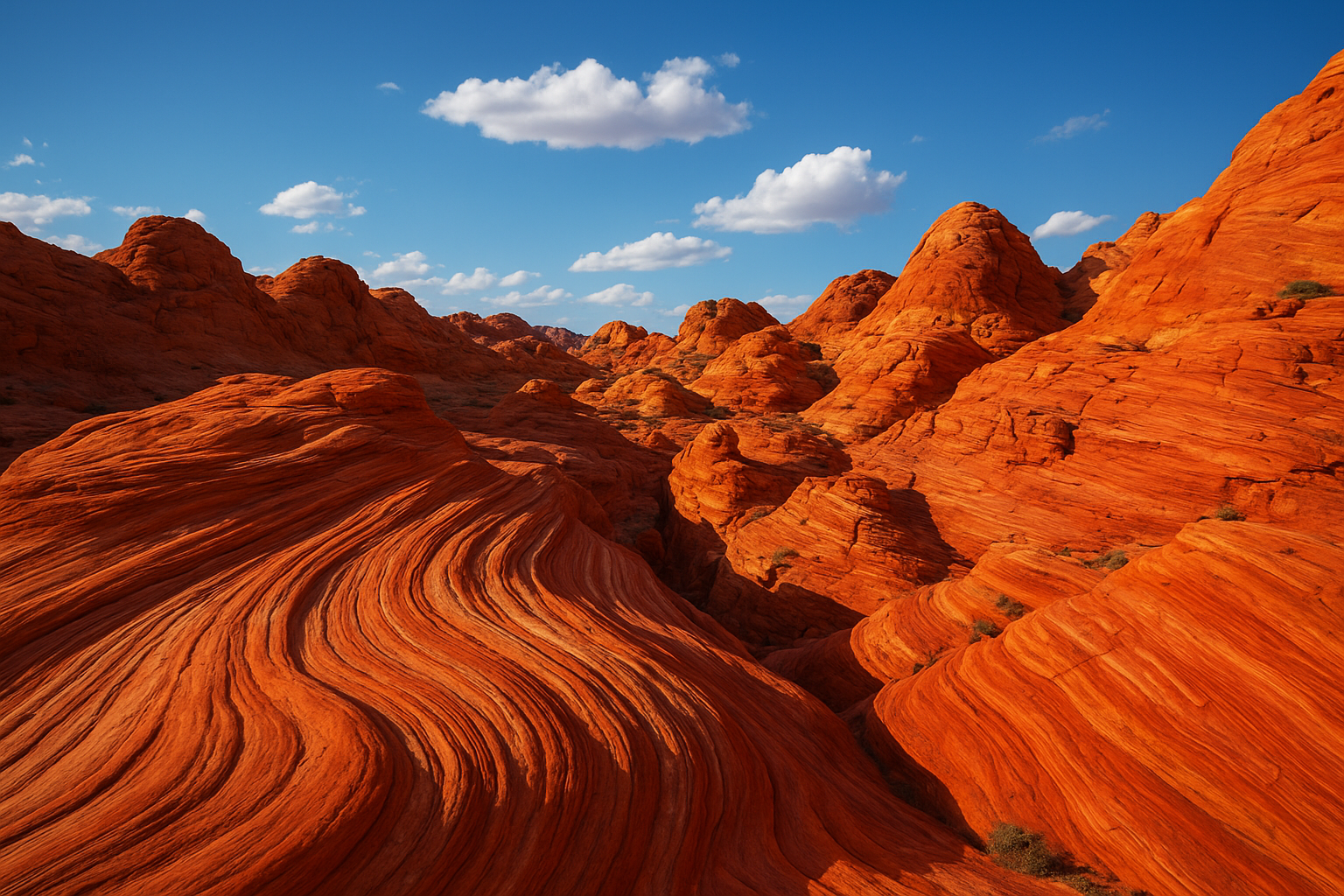
Beyond the rocks, the park holds serious ecological variety for a desert environment. Creosote shrubs, desert tortoises, kit foxes, and Gambel’s quail all live within the park boundaries. That diversity of plant and animal life adds another dimension to what would already be a visually striking destination, turning a standard sightseeing trip into something closer to a real immersion in the Mojave Desert’s natural systems. If you give yourself enough time, you’ll notice the place rewards slow attention.
The geology and landscapes you’ll see
To really understand what is Valley of Fire State Park, you need to start with what built it. The park sits on Aztec sandstone, a rock type formed from ancient desert dunes that existed roughly 150 to 190 million years ago during the Jurassic period. Over time, those dunes lithified into thick layers of stone. Later, regional tectonic activity tilted, cracked, and exposed those layers, and iron oxide in the rock oxidized over millions of years, producing the deep red and orange colors you see across the entire park.
How the rock formations took shape
The erosion process is what gave Valley of Fire its dramatic sculptural quality. Wind and water wore down the softer parts of the sandstone at different rates, leaving behind harder sections that now stand as arches, domes, narrow fins, and rounded knobs. Elephant Rock and the Seven Sisters are two formations that show this process clearly. You can read the park’s history just by looking at the way layers curve and fracture across a single cliff face.
The formations you walk past took longer to build than most people can comfortably imagine, roughly 190 million years from dune to desert landmark.
What the landscape looks like at different times of day
Lighting transforms the park completely. At midday the rocks appear almost brick-red, while early morning and late afternoon shift them toward orange and deep crimson. If you visit in summer, those same rocks radiate stored heat well into the evening. Most photographers and guides recommend arriving within the first two hours after sunrise to catch the colors at their most vivid before the light flattens out.
The human story: petroglyphs and park history
The geology alone would make Valley of Fire State Park worth a visit, but the human history layered on top of it gives the place a different kind of weight. People have been moving through this landscape for at least 3,000 years, and they left evidence everywhere. Understanding that history changes how you look at the rocks around you.
The Ancestral Puebloans who left their mark
The Ancestral Puebloans, also called the Ancient Puebloans, used the Valley of Fire area as a seasonal stopping point while traveling between permanent settlements. They carved petroglyphs into the dark desert varnish coating many of the sandstone surfaces, leaving behind images of bighorn sheep, human figures, spirals, and symbols that researchers still study today. Atlatl Rock is the most visited petroglyph site in the park, and it gives you a clear look at carvings that have survived thousands of years of desert weather.
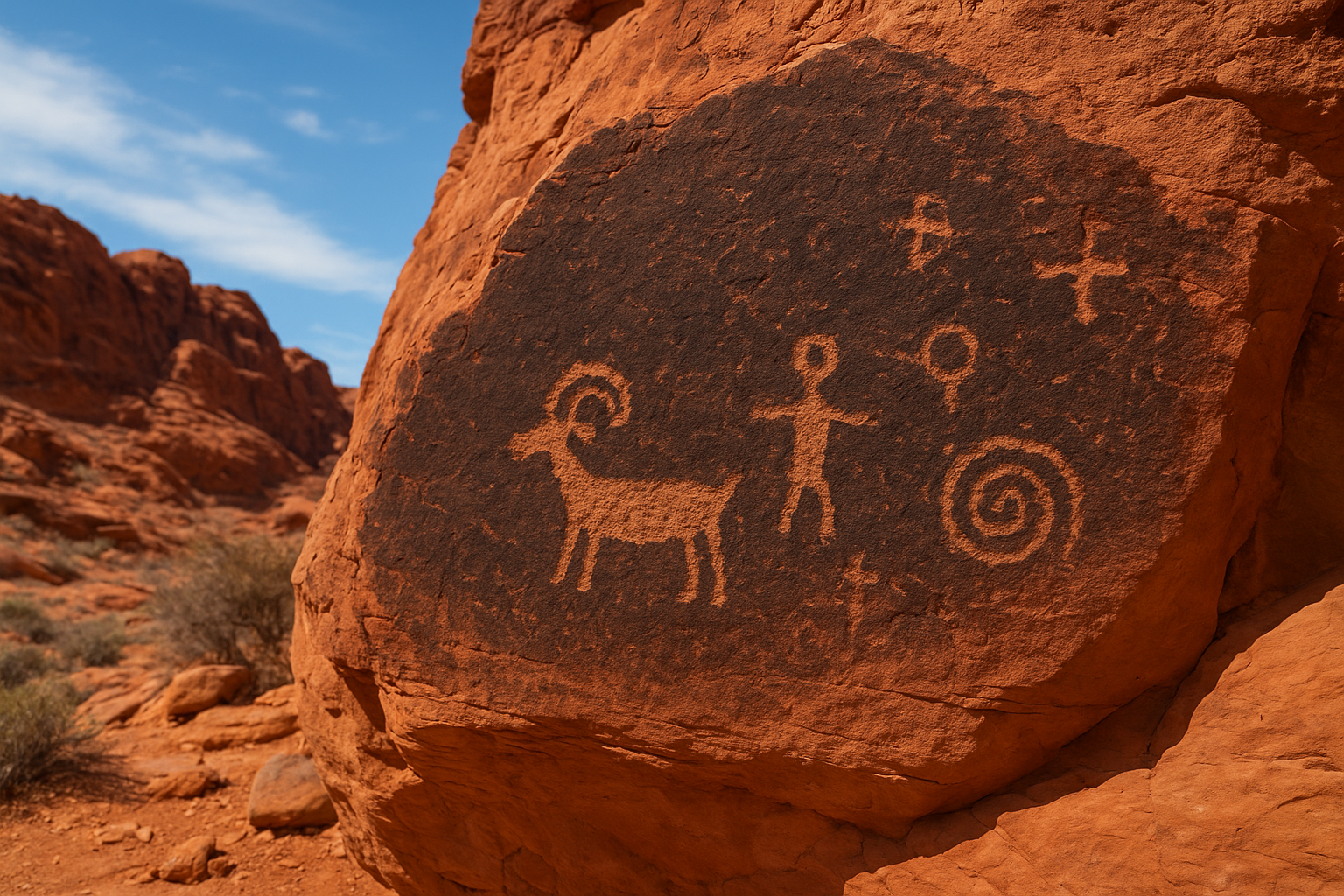
Seeing those carvings in person shifts your sense of scale. You’re standing in a place people passed through long before any city existed within hundreds of miles.
How the park came to be protected
When you think about what is Valley of Fire State Park in terms of its history as a protected area, 1935 is the year that matters most. Nevada designated it as the state’s first official state park that year, putting formal protections in place before development pressure could reach the area. The Civilian Conservation Corps built the original infrastructure, including roads and the visitor center, during the 1930s, and much of that early work still shapes how you move through the park today.
Top things to do: sights, drives, and hikes
Knowing what is Valley of Fire State Park is one thing, but knowing where to focus your time once you’re inside is another. The park offers more than most visitors expect in a single day, so having a clear plan before you arrive means you’ll leave having actually seen the highlights instead of wandering the main road and turning back.
The scenic drive and must-see formations
The main park road runs roughly 10 miles from the west entrance to the east entrance, and driving it slowly is one of the best ways to take in the landscape without committing to a long hike. Along that route, you’ll pass Elephant Rock, a sandstone formation shaped convincingly like its name, and the Seven Sisters, a cluster of dome-shaped red formations that photograph well at any time of day. Atlatl Rock sits just off the main road and gives you a short paved walkway up to some of the park’s clearest petroglyph carvings.
Fire Wave is the park’s most photographed formation, a swirling stretch of red, pink, and white striped rock that sits about 1.5 miles from the trailhead off the main road.
Best hikes for different ability levels
The park has trails that fit a range of fitness levels, so you don’t need to be an experienced hiker to get off the road and into the landscape. Here are four hikes worth considering:
- Fire Wave Trail (1.5 miles one way, easy to moderate)
- White Domes Loop (1.1 miles, easy, passes a slot canyon)
- Mouse’s Tank Trail (0.75 miles, easy, dense petroglyph concentration)
- Rainbow Vista Trail (1 mile, easy, broad panoramic views)
Each of these trails starts directly off the main road, which keeps navigation simple even if you’ve never visited before.
How to plan your visit from Las Vegas
Planning a trip to Valley of Fire State Park from Las Vegas is straightforward once you know the basics. The park sits roughly 50 miles northeast of the Strip, which translates to about an hour by car via Interstate 15 North and Nevada State Route 169. You can drive yourself or book a guided tour, and both options work well depending on how much structure you want once you’re inside.
Getting there and when to go
The best months to visit are October through April, when daytime temperatures stay manageable and the light is softer for viewing the rock colors. Summer visits are possible but require you to start early, ideally before 9 a.m., because temperatures regularly exceed 110 degrees Fahrenheit by midday. The park entrance fee is $15 per vehicle as of 2024, and the visitor center near the west entrance is worth a short stop to pick up a trail map before heading further in.
If you’re asking what is Valley of Fire State Park from a logistics standpoint, the answer is a half-day to full-day trip that works well as a standalone excursion from Las Vegas.
What to bring and how long to stay
Most visitors spend three to five hours in the park if they want to cover the scenic drive plus two or three short trails. Bring at least two liters of water per person, sunscreen, and closed-toe shoes, since the sandstone surface gets sharp in places. A guided tour removes the guesswork around timing and trail selection, which matters more than it might seem when you’re trying to hit the right spots before the midday heat sets in.
Your Valley of Fire wrap-up
Now you know what is Valley of Fire State Park: Nevada’s oldest state park, a 40,000-acre landscape of ancient red sandstone, Ancestral Puebloan petroglyphs, and some of the most striking desert scenery in the American Southwest. The park sits about an hour from Las Vegas, making it one of the most accessible day trips you can take from the Strip without sacrificing a full travel day. Whether you spend three hours or a full day, the place delivers something most tourists never find close to Las Vegas.
Getting there is simple, but getting the most out of it takes a bit of planning around timing, trail selection, and the right spots to stop. A guided tour handles all of that for you, so you spend your time actually experiencing the park instead of figuring it out on the fly. Book a private Valley of Fire tour and let an expert guide take you through it right.